Crystals and gemstones have captured the fascination of people from all walks of life. Whether worn simply as stylish adornments or valued for their perceived healing properties, they continue to provoke both skepticism and widespread appreciation.
Despite ongoing debates regarding their natural healing capabilities, the popularity of wearing and utilizing crystals continues to surge. Whether people use them to elevate their everyday style or to harness their therapeutic benefits, their appeal is undeniable.
For most of us, carrying or wearing protective tokens—such as a crucifix, rosary beads, a lucky charm, or a healing necklace—is a common sight on the streets, often so familiar that we barely give it a second thought.
However, the history and purpose of these objects go far beyond our immediate impressions. Humans have carried and passed down these items since ancient times. Both primitive and civilized societies have long worn them for various purposes, including warding off evil, promoting healing, enhancing spirituality, and attracting love.
The word “amulet” originates from the Latin amoletum, which translates to “a means of defense.” People have traditionally used them with the belief that they possess special powers to protect against malevolent forces, such as witchcraft, malevolent spirits, natural calamities, misfortune, and illness. Additionally, amulets—often referred to as talismans—are believed to attract good fortune and luck.
It is remarkable that from the primitive era to the modern day, societies continue to place their faith in the power of amulets. These objects are traditionally thought to derive their strength from religious connections, sacred rituals, and natural forces. Historically, people either wore or carried these charms, or placed them in specific locations to imbue the space with their protective influence.
As noted, amulets come in many forms, but in today’s world, crystals and gemstones have emerged as the most popular choice, available in an array of sizes, shapes, colors, and varieties. Fashion designers have embraced these stones, integrating them into exquisite jewelry pieces such as necklaces, pendants, bracelets, wands, and rings.
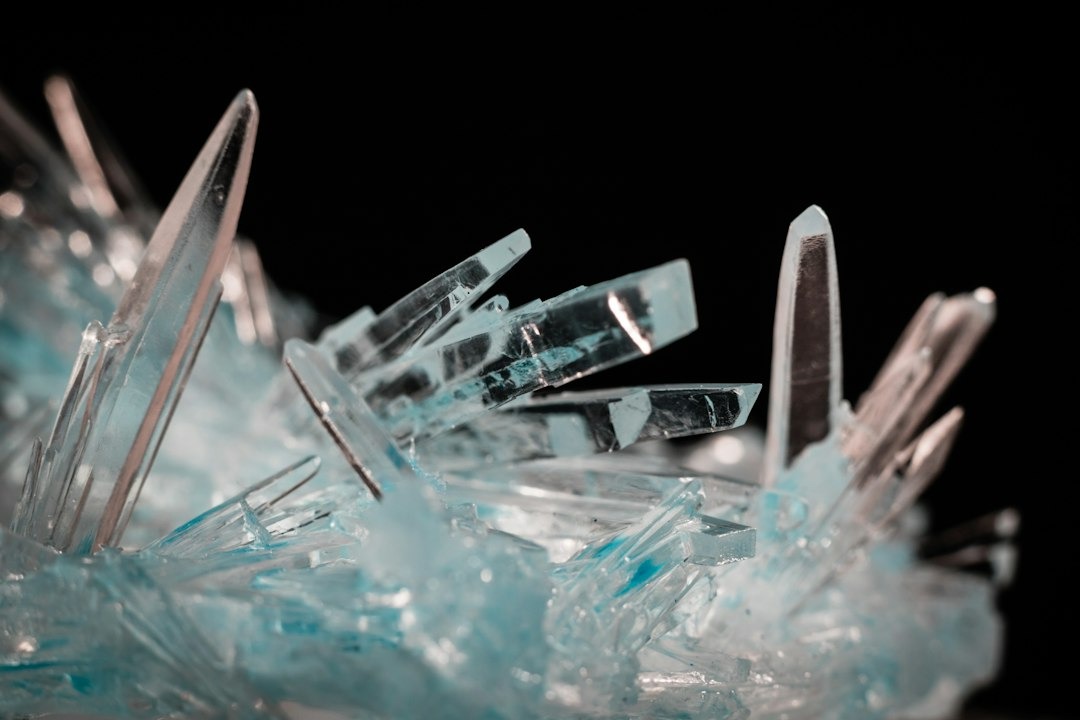
Beyond traditional jewelry, crystals and gemstones now appear on zipper pulls, keychains, bag charms, and key fobs. Gorgeously presented, they serve not only as functional amulets but also as fashionable accessories. Yet, the belief in their magical healing properties remains a primary motivation for many who wear them.
While some wear these stones purely for their aesthetic appeal and accessorizing value, others focus on their deeper significance, such as color symbolism, planetary influences, chakra alignment, and astrological correspondences.
Popular crystals and gemstones include amethyst, quartz, garnet, ruby, emerald, agate, tourmaline, opal, rose quartz, sodalite, goldstone, peridot, jade, and malachite. Each of these stones embodies unique spiritual and healing properties. Given their rich characteristics, the timeless tradition of wearing these gorgeous and symbolic pieces is certain to endure for generations to come.
Leave a Reply